
What Google Revealed About Dating in 2026:
/The 10 Relationship Terms That People Are Searching For

Author Generated Image
This morning I found myself asking a simple question:
What are the biggest challenges people are facing when it comes to dating and relationships right now?
As a naturally curious person, I did what millions of people do every day—I opened Google and searched for the top relationship terms being searched this week. To my surprise, many of the results were new slang terms I had never heard before. Some sounded almost humorous at first glance, but the more I researched them, the more I realized they were describing something much deeper: the emotional confusion, fear, and exhaustion many people are experiencing in modern dating.
Here is what Google revealed as the Top 10 Relationship Terms searched during the week of July 17, 2026.
The Top 10 Relationship Terms of the Week
1. Chalance
Meaning: Showing clear effort, enthusiasm, and active interest in someone.
This term has emerged as the opposite of nonchalance. Instead of pretending not to care, chalance celebrates emotional honesty and genuine interest. In many ways, it reflects a growing desire for secure, emotionally available behavior in relationships.
2. Ghostlighting
Meaning: Ghosting someone and later returning as if nothing happened, while denying the impact of the disappearance.
This combines ghosting and gaslighting and is considered a particularly harmful form of emotional manipulation because it undermines the other person's sense of reality and self-trust.
3. Throuple / Poly Relationship
Meaning: A consensual romantic relationship involving three people or multiple partners.
These relationships fall under the umbrella of Consensual Non-Monogamy (CNM) and require exceptionally high levels of communication, boundary-setting, and emotional maturity.
4. Beige Flag
Meaning: A trait that is neither a red flag nor a green flag, but simply quirky, odd, or mildly boring.
Think of someone who talks to their plants, alphabetizes their spice rack, or has an unusual hobby. This term reveals how intensely modern daters sometimes analyze even the smallest behaviors.
5. Nonchalant
Meaning: Appearing emotionally detached, indifferent, or unconcerned.
Psychologically, this often reflects an avoidant attachment style, where emotional distance is used as a defense against intimacy and potential rejection.
6. Clingy
Meaning: Seeking excessive reassurance, contact, or emotional support from a partner.
This is commonly associated with an anxious attachment style and is often rooted in a deep fear of abandonment.
7. Monkey-Barring
Meaning: Starting a new romantic connection before fully ending the current relationship.
The image comes from a monkey swinging from one branch to another without letting go of the first. It often reflects difficulty tolerating loneliness, grief, or the emotional pain of a breakup.
8. Situationship
Meaning: A romantic or sexual relationship that lacks clear labels, boundaries, or long-term commitment.
Situationships thrive on ambiguity. One or both partners may avoid defining the relationship because commitment feels vulnerable or restrictive.
9. Sledging
Meaning: Dating someone primarily to avoid loneliness during the winter months.
This trend is linked to seasonal loneliness and the human desire for warmth, connection, and companionship during darker times of the year.
10. Breadcrumbing
Meaning: Sending occasional flirtatious messages to keep someone interested without making real plans or commitments.
This creates an addictive cycle of intermittent reinforcement—just enough attention to keep hope alive, but not enough consistency to build a healthy relationship.
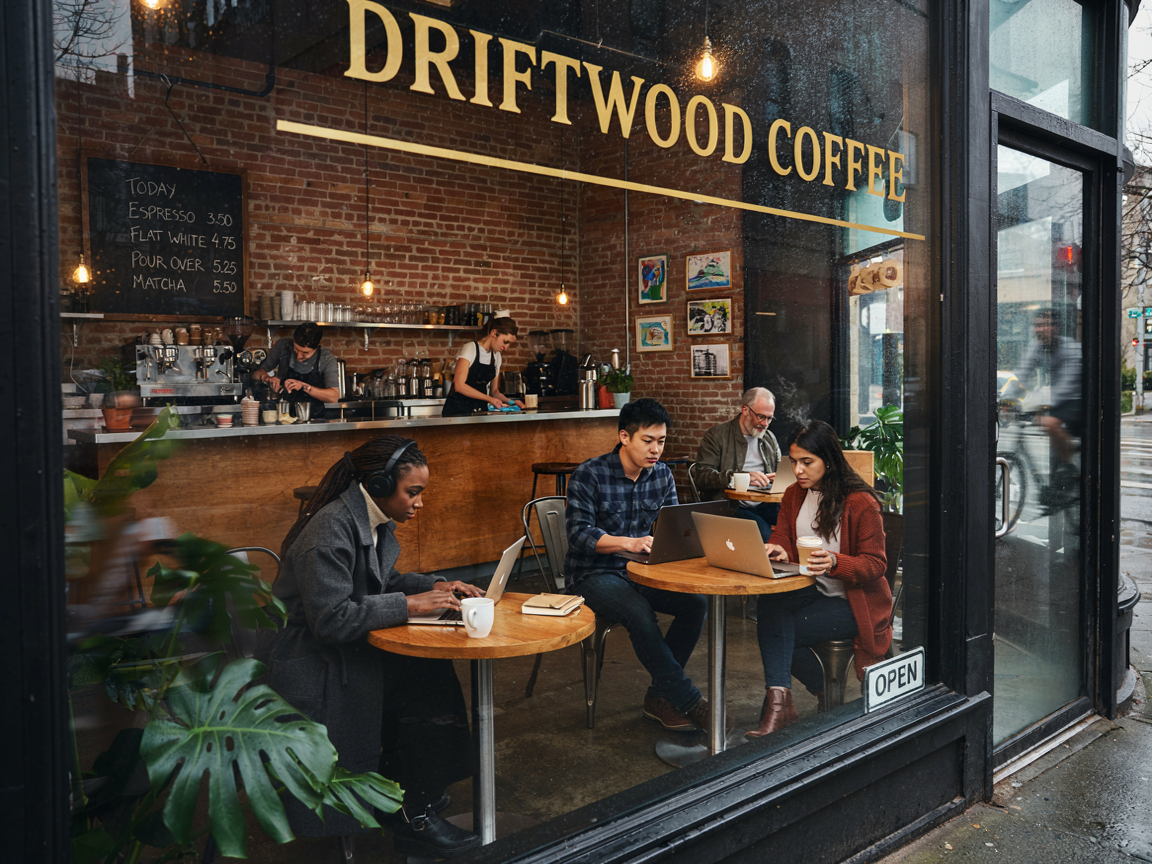
Author Generated
What These Terms Really Reveal
At first, these words seem like trendy internet vocabulary. But when I stepped back and looked at them together, a striking pattern emerged.
These terms are not really about slang.
They are about attachment, fear, and the search for emotional safety.
Fear of Vulnerability
Situationship
Nonchalant
Ghostlighting
These behaviors often protect people from the risk of being fully seen, fully known, and potentially rejected.
Fear of Abandonment
Clingy
Breadcrumbing
Monkey-barring
These patterns reveal anxiety about being left, forgotten, or alone. The heart reaches for reassurance, sometimes in unhealthy ways.
Overthinking Compatibility
Beige Flag
Modern dating culture can encourage us to scrutinize every tiny habit while overlooking the qualities that truly sustain love: kindness, honesty, emotional availability, integrity, and the willingness to grow together.
A Longing for Authenticity
Chalance
This was the term that fascinated me most. People are literally searching for a word that means “Please care openly.”
Perhaps the rise of chalance is a hopeful sign. Maybe people are becoming tired of pretending not to care. Maybe they are craving relationships where effort, affection, and vulnerability are not seen as weakness.
Why So Many People Have Dating Fatigue
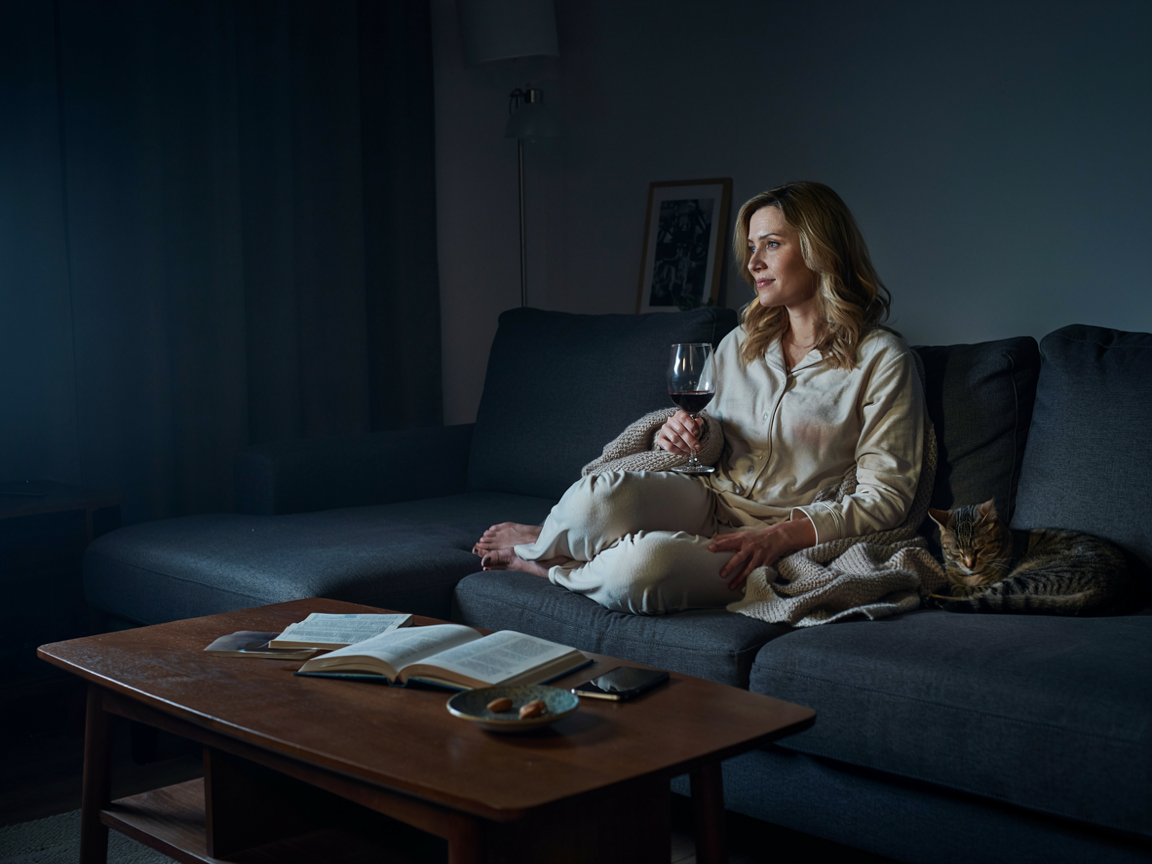
When you look at this list as a whole, it becomes easier to understand why so many singles feel exhausted. Imagine trying to build a relationship in a world where you might be ghosted, breadcrumbed, kept in a situationship, analyzed for beige flags, and expected to act nonchalant even when you genuinely care. That is emotionally exhausting.
Underneath the clever terminology is a lot of fear, hurt, inconsistency, and unhealed attachment wounds. People are not simply tired of dating. Many are tired of ambiguity. They are tired of mixed signals. Tired of emotional games. Tired of wondering whether someone truly means what they say.
The Timeless Questions Beneath the Trends
Every generation invents new relationship vocabulary, but the human heart continues asking the same timeless questions:
Can I trust you?
Will you stay?
Am I safe with you?
Am I enough?
Will you truly see me?
These questions existed long before social media, dating apps, and internet slang. The vocabulary changes. The longing for love, safety, and belonging does not.

Author Generated Image
The Shift That Changes Everything
As I reflected on these search terms, I realized something important. Many people are spending enormous energy trying to identify red flags, beige flags, and relationship trends. While discernment is important, there is a deeper question we often overlook:
Who am I becoming in my search for love?
Instead of only asking,
"How do I avoid being ghosted, breadcrumbed, or trapped in a situationship?"
What if we also asked:
Am I emotionally available?
Am I communicating honestly?
Am I healing my attachment wounds?
Am I creating emotional safety for others?
Am I capable of secure, conscious love?
In other words:
Don’t spend your life only looking for green flags. Become one.
That single shift changes the entire dating experience.
Final Thoughts
Google’s top relationship searches for July 2026 reveal a culture that is simultaneously more connected and more emotionally confused than ever before. People have endless ways to communicate, yet many struggle to create genuine intimacy.
But hidden within these trends is a hopeful message. The popularity of terms like chalance suggests that many people are no longer impressed by emotional detachment. They are searching for authenticity, effort, presence, and real connection.
Healthy relationships are not built by mastering the latest dating slang. They are built by becoming emotionally healthy people—people who communicate clearly, appreciate generously, repair after conflict, regulate their nervous systems, and lead with their hearts rather than their fears.
In a world full of breadcrumbing, ghostlighting, and situationships, perhaps the most revolutionary thing we can do is become someone who offers consistency, honesty, emotional safety, and conscious love.
Trends will come and go. But a heart that knows how to love well will never go out of style.
Thanks for spending time on this blog! You are appreciated!
All the best,
Paul Garrett & Total Soulful Journey